

CertiK 블로그
Web3의 기관화가 본격화되는 흐름에 맞춰 보안 연구, 규제 동향 및 데이터 분석을 통해 업계 변화를 실행 가능한 의사결정 인사이트로 전환합니다.
리서치
전체 리서치 보기
Liquid Network Incident Analysis
On 6 September 2026, the Liquid Network was exploited through a vulnerability in the Elements codebase used to validate Confidential Transactions. The issue stemmed from an ambiguous cache-key encoding in the rangeproof verification cache, allowing two different validation inputs to produce the same cached entry.
Verus Incident Analysis
On July 23, 2026, an attacker exploited the Verus Protocol’s Ethereum cross-chain bridge, draining approximately $7.44 million in ETH, tBTC, stablecoins, and MKR. The attack relied on a discrepancy in how Verus and Ethereum interpreted notarization data: malicious duplicate state-root entries were included in otherwise legitimate notarizations, signed by Verus notaries, and then relayed to Ethereum, where they overwrote the genuine trusted state root.
DefiTuna Incident Analysis
On 16 July 2026, DeFiTuna was exploited for approximately $569,601 USDC on Solana. The attackers created a highly illiquid TUNA/USDC pool and used it as the destination for borrowed USDC routed through Jupiter. Because the swap returned only a negligible amount of TUNA, DeFiTuna’s value calculation rounded the position’s total assets down to zero. The protocol then incorrectly treated the position as healthy, allowing the attackers to bypass the solvency check and withdraw the USDC through attacker-controlled liquidity positions.
Policy Pulse
전체 보기 Policy Pulse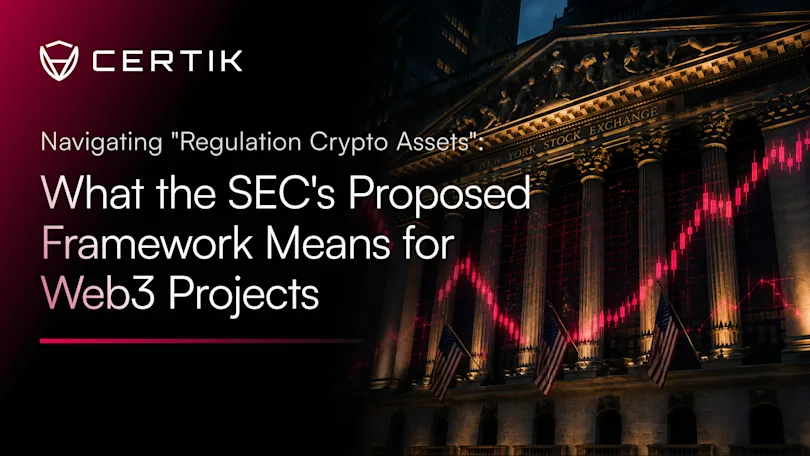
Navigating "Regulation Crypto Assets": What the SEC's Proposed Framework Means for Web3 Projects
The regulatory landscape for Web3 in the U.S. is undergoing a significant transformation, even in the absence of the long awaited CLARITY Act. On August 18, 2026, the U.S. Securities and Exchange Commission (SEC) issued a notice of proposed rulemaking titled Regulation Crypto Assets (Release No. 33-11434; File No. S7-2026-27).
Inside CertiK's Independent Security Research on Besu
CertiK independently discovered and disclosed five resource-exhaustion vulnerabilities in Besu (formerly Hyperledger Besu), now patched in version 26.7.1, through a proactive chaos-engineering-style testing methodology now productized as Chain Scan.
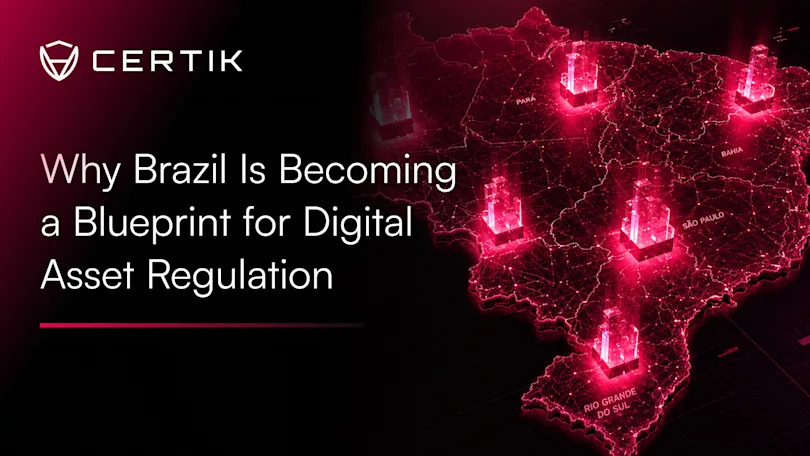
Why Brazil Is Becoming a Blueprint for Digital Asset Regulation
CertiK's CBO Jason Jiang joined the Central Bank of Brazil and Veirano Advogados at Blockchain.RIO to discuss how collaborative VASP regulation is turning Brazil into a global model for digital asset compliance.
기술 인사이트
전체 보기 기술 인사이트
Red Team vs. Pentest vs. Bug Bounty: Building a Complete Web3 Security Program
Red team vs. pentest vs. bug bounty for Web3 projects: what each one actually tests, when to use which, and how to combine them into one program.

Tolk Security Explained: From FunC’s Engineering Pain Points to New Audit Considerations
This article compares FunC and Tolk through code, explains how typed schemas, automatic serialization, and lazy loading change TON contract security, and identifies the risks developers and auditors still need to review.
CIP-56 보안이 실제로 적용되는 곳: 기관을 위한 Canton 가이드
How Daml views, choices, factories, client-side construction, and operational permissions determine the security of CIP-56 assets.
기업 소식
전체 보기 기업 소식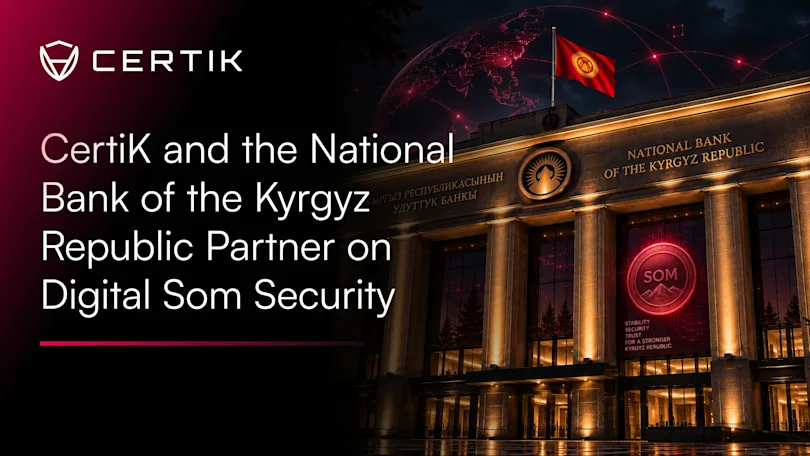
CertiK and the National Bank of the Kyrgyz Republic Partner on Digital Som Security
CertiK signs an MoU with the National Bank of the Kyrgyz Republic to advance Digital Som security, AML/CFT oversight, and digital asset supervision.
Chain Scan: Code and Runtime Assurance for DLT Infrastructure
Chain Scan brings together automated static code scanning, analyst validation, and controlled runtime testing, with coverage tailored to the agreed scope. It helps identify code-level weaknesses and evaluate how DLT systems behave under adversarial inputs, resource pressure, infrastructure failures, and operational changes.
From Warning Letters to Working Framework: CertiK and Brazil's Central Bank on Building the VASP Rulebook
CertiK's Jason Jiang and the Central Bank of Brazil's Nagel Paulino join Veirano Advogados' Marcos Rocha to trace Brazil's journey from cautious crypto warnings to a detailed VASP regulatory framework.
생태계 분석
전체 보기 생태계 분석
Circle’s Arc Mainnet: From a USD 74 Billion USDC Supply to Native Settlement
Circle’s Arc mainnet is scheduled for September 16, 2026, using USDC for gas and settlement while connecting stablecoin scale with institutional and programmable financial activity.

As Wallets Expand From Storage to Execution, Can Their Control Layer Keep Up?
This article examines how crypto wallets must extend security controls across key generation, recovery, transaction review, and incident response as they evolve into execution environments.

CEX H1 2026 Review: Volume Cools, Balance Sheets Decide
This H1 2026 review compares centralized exchanges by spot and futures volume, open interest, reserve depth, Bitcoin custody, and expansion into tokenized stocks and traditional financial products.