
博客
全部博客
CertiK 为开发者和用户提供 Web3 安全、区块链审计与合规相关的博客、客户案例等教育内容。
 研究报告What to Learn From Recent Cross-Chain Bridge AttacksThe growth of new blockchains has created additional complexity and risk in the crypto ecosystem. Cross-chain bridges are new attack vectors with inherent security limits that users and project teams should be aware of. In 2022 alone, three major attacks have already occurred on cross-chain bridges. Some key lessons learned from these attacks:
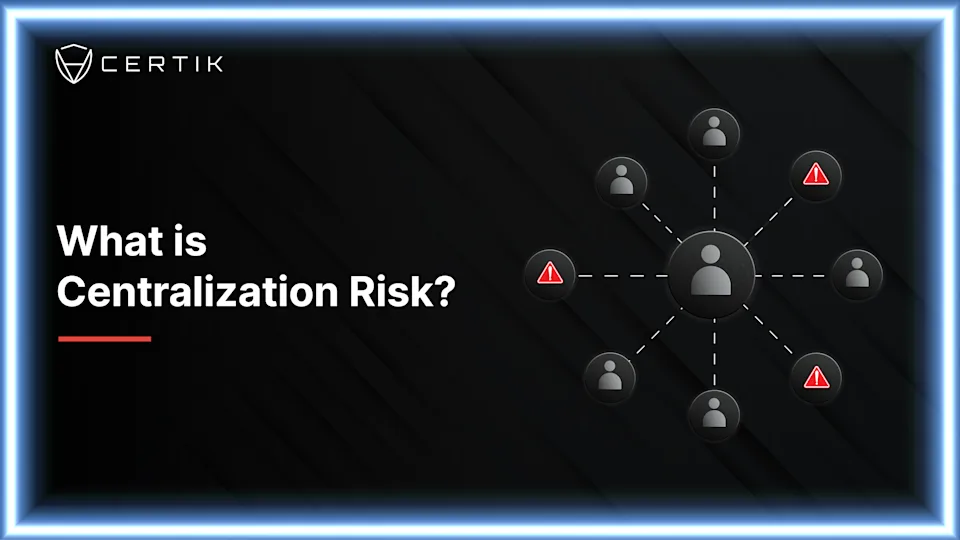 技术洞察What is Centralization Risk?Centralization risk at its core is a single point of failure within a DeFi protocol. Smart contracts with centralized ownership are riskier than contracts with a timelock or multi-signature key ownership. In smart contract audits, this is the most common major issue pointed out by the CertiK security experts
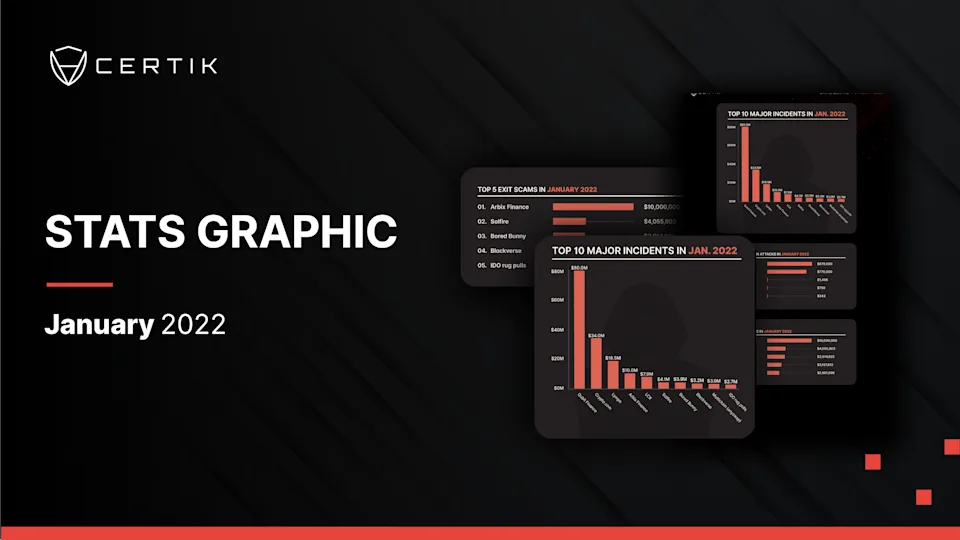 研究报告January Stats GraphicThe January Stats Graphic shows data from hacks, scams, and incidents in January 2022
 技术洞察What Is DeFi SecurityThe total TVL (Total Value Locked) in DeFi protocols reached over $75B in 2021. With these kinds of numbers, the importance of DeFi security is clear. There are numerous measures in place to help combat these hacks and exploits
 技术洞察What is a Flash Loan?Flash Loans are a new invention in the DeFi space that was first introduced to the blockchain space by Ethereum based lending protocol AAVE in January of 2020. A flash loan is an uncollateralized extremely short-term loan. The loans are borrowed and repaid in the same transaction run by a smart contract. AAVE among others understands the importance of smart contract audits as it pertains to their DeFi protocols. However, smart contract audits are not a perfect solution as there can be vulnerabilities not in the code but in the design of a protocol. Let’s take a look at how flash loans exposed one such type of vulnerability, but first, we need to better understand flash loans.
 公司动态Introducing - KYC by CertiKAs the leader in the crypto security space, CertiK’s focus has always been to secure the cyber world and to protect crypto projects and users. CertiK KYC is designed to deanonymize project teams and create greater accountability through a rigorous vetting process.
 技术洞察What is KYC in Crypto?KYC or Know Your Customer (sometimes Know Your Client) refers to a set of rules and obligations that financial institutions must adhere to in jurisdictions like the USA, EU, Australia, and many more. These measures are put in place to help fight money laundering and other financial crimes.
 技术洞察What is a Liquidity Pool?Liquidity pools enable users to buy and sell crypto on decentralized exchanges and other DeFi platforms without the need for centralized market makers. They play a crucial role in driving the feasibility of the existing DeFi technology stack.
 技术洞察What is a Smart Contract Audit?A smart contract audit is a line-by-line inspection of a contract’s source code. At CertiK, our team of experienced auditors manually review smart contracts, identifying code errors and potential risks. We also use advanced mathematical approaches such as formal verification to analyze the logical soundness of contracts.
 技术洞察What is Decentralization?Decentralization has become a buzzword with many people using the term to describe networks that may not be decentralized. In this blog, we will explain the differences between Centralized, Decentralized, and Distributed networks.
 技术洞察What is a DDoS Attack? How Can it Affect Crypto?A DDoS attack, which stands for “distributed denial-of-service” is a malicious attempt to disrupt the normal traffic of a targeted server, service or network by overwhelming the target or its surrounding infrastructure with a flood of Internet traffic. DDoS attacks are mainly a problem seen in the traditional cybersecurity world, but how does this relate to crypto and blockchain?
 技术洞察What Is a Phishing Attack? Tips on How to Protect YourselfPhishing attacks aren’t native to crypto and is a type of scam that is as old as the internet, but with crypto there are some new implications. Learn more about how to protect yourself and your funds!