With the price of bitcoin dropping to $8500 in recent weeks, it becomes increasingly important for investors to find cryptocurrencies that are price-stable, scalable, decentralized and secure. As price swings dominate the market, investors often have to weigh potential rewards against their risks. In comparison, stablecoins offer a way to protect against the volatility of the market and retain investor confidence.
What are Stablecoins?
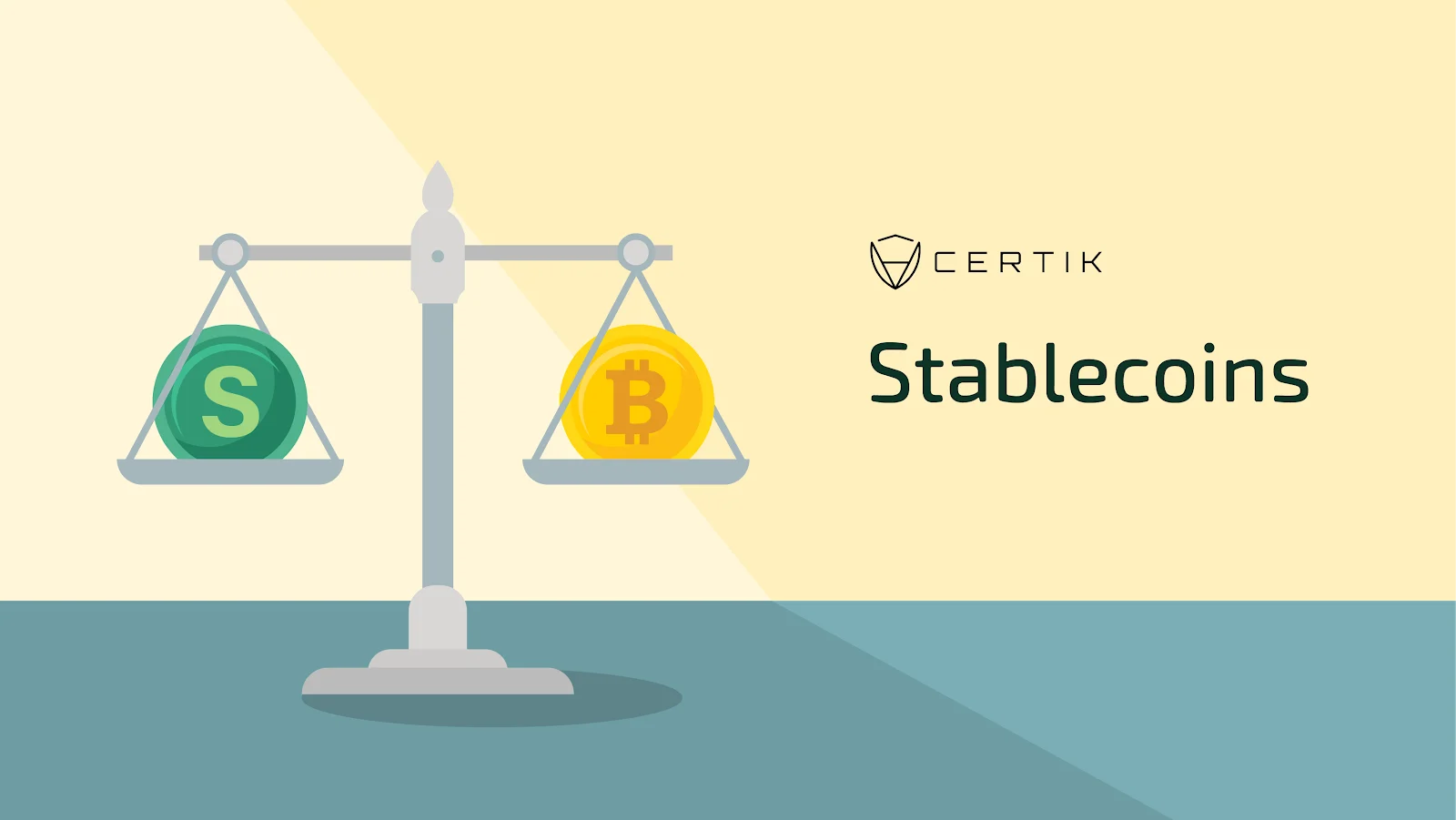
Stablecoins are price-stable cryptocurrencies whose market prices are pegged to another stable asset. Speculation on cryptocurrencies can be volatile, focusing primarily on speculation. For some, stablecoins can be advantageous because it provides an easier solution to make transactions that customers and providers are more likely to accept — one that’s more reliable for others to process. In addition, cryptocurrencies backed by reserves are inherently easier to accept, and faster to make in comparison to true cryptocurrency.
Among Stablecoins, Ethereum is the clear stablecoin leader with roughly 33 stablecoins developed on the protocol. Ethereum benefited when early projects like MakerDAO opted to issue DAI on Ethereum. Similarly, the stablecoins developed on Ethereum benefit from the strong infrastructure and ERC20 token standards.
Despite the advantages, stablecoins are typically centralized and requires trust in the original asset. This poses the question: what can we trust?
According to Pew Research, public trust in the government as a central entity has fluctuated over time. However in a well designed decentralized environment, investors are able to reduce the amount of risk required to put into third parties. Normally stablecoin issuers have third party auditors focus on different angles, such as legal, compliance and accounting without regard of security. CertiK is able to test stablecoins with mathematical proofs — applying the universally consistent and indisputable method for proving truths.
A safe stablecoin environment can offer a broader alternative for asset distribution. With three main types of stablecoins, risks can be mitigated and bugs can be detected before the fact.
Types of Stablecoins
Fiat-collateralized
Fiat-collateralized coins are stablecoins backed by real-world currencies, such as USD or GBP. These types of stablecoins have a 1:1 ratio, meaning one of these coins is equivalent to one dollar (or any other fiat currency.) This ensures that the stability is maintained through the backed reserve.
To maintain the safety of the network, fiat-based stablecoins typically need a custodian or centralized entity to oversee transaction flow. This is balanced, as the businesses behind stablecoins earn revenue from the interest on deposited investments that are stored in the system. In order to ensure a trustworthy ecosystem, third party auditors are often recommended to ensure transparency and security.
By using CertiK’s formal verification engine to mathematically and manually check the source code, investors can feel more confident that their investment is secure with an entity they can trust. For reference, you can check out CertiK’s audit of Binance’s first fiat-collateralized stablecoin, Binance GBP or Paxos asset-backed stablecoin, PAX Gold.
Crypto-collateralized
Crypto-collateralized stablecoins operate in the same way as fiat-collateralized coins, but instead are backed by reserves from another crypto currency and have a different collateralization ratio. The leader in crypto-collateralized stablecoins is currently MakerDAO with the DAI currency — DAI is backed in excess by collateral at all times, so that investors never have to worry about price instability.
The collateralization ratio is always in excess, meaning for every dollar of the stablecoin, there is more than one dollar of cryptocurrency in reserve. If the ratio was 1:1, then crypto-collateralized stablecoins would still be volatile and unnecessary. The more volatile the currency is, the higher the ratio should be to ensure that there is always one dollar in reserve for every stablecoin in circulation — however it is distributed.
Crypto-collateralized currencies provide an autonomous decentralization system, allowing the benefits of a blockchain to be broadly acceptable without the risk of a more fluctuating, speculative currency. Similarly, these currencies gives power to the people, putting secure, permissionless products first. With security top-of-mind at businesses like Maker DAO, many firms, including CertiK, have adopted and accepted DAI as a method of payment.
Non-collateralized
Non-collateralized stablecoins aim to maintain stability without relying on a reserve. Fiat currencies have been doing this for a long time by using central banks. With central entities such as banks, the value of a currency is dependent on supply and demand — greater demand calls for a higher price.
Non-collateralized stablecoins mirror the same process as crypto-collateralized through coding language into smart contracts that perform the same functions as a bank. Smart contracts use oracles to monitor the price of a cryptocurrency; however, not all oracles and smart contracts are fully secure. While there are many ways to improve the reliability and security of smart contracts, most methods can’t fully address the challenges introduced by blockchain. Testing is currently the most widely used approach to enhance the trust of systems — although testing can only show the presence of bugs, not their absence. Formal Verification is the alternative approach that mathematically proves the system is correct with respect to its specifications.
Stablecoins can be important crypto vehicles that drive blockchain adoption. They solve a huge problem that many cryptocurrencies can’t address: providing investors with price-stable, secure, and decentralized digital currency. Besides the potential interests that other issuers offer, the non-volatility nature of stablecoins can treat cryptocurrencies as common forms of payments.

![[Webinar] Toward Building Trustworthy Blockchain Systems with Professor Ronghui Gu](https://images.ctfassets.net/v0qht4wq59vi/3FNbQgFmJvrHvGcerlVmkP/14870402d8d118f308033d36ed17fc0f/wechat-image_20200728161557.png?w=810&h=456&fit=fill&fm=webp&q=75)